Disclosure: This post contains affiliate links. If you buy through them, BloomBabe may earn a small commission at no extra cost to you. As an Amazon Associate, I earn from qualifying purchases. We only recommend gear we’d use on our own plants.
Most plants that survive a dark apartment are green. Just green. That’s the trade you usually make — you get toughness, you give up color.
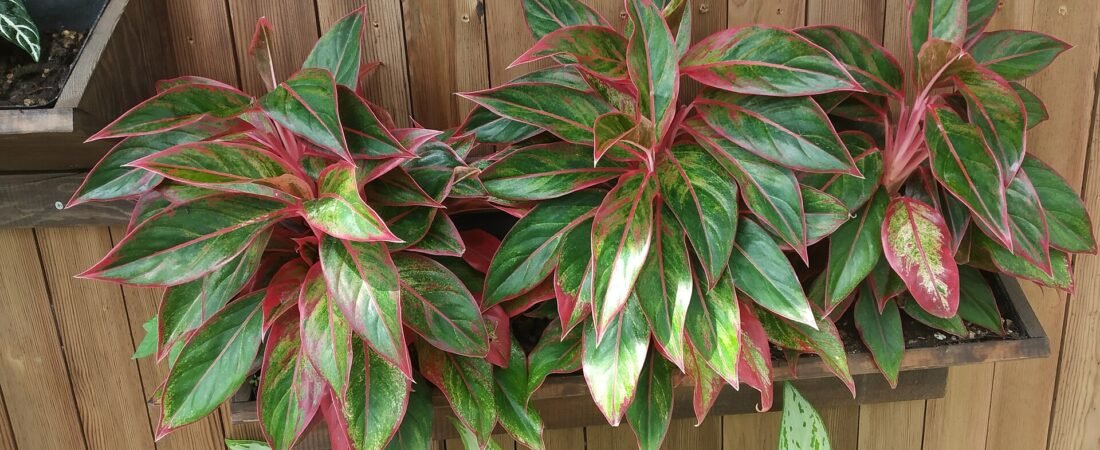
Aglaonema doesn’t ask you to make that trade. Chinese Evergreen, as it’s usually sold, comes in silver, cream, deep forest green, and shades of pink and red that look like someone painted them on. And it will sit in a north-facing room, get watered whenever you remember, and keep pushing out new leaves anyway. It’s the plant we recommend when someone says “I want something interesting, but my place is kind of dim.”
Meet the Aglaonema
Aglaonema is a genus of about two dozen species native to the tropical forest floors of Southeast Asia, and that origin story explains almost everything about how it behaves: understory plants live in dappled shade, in soil that’s rich but well-drained, in air that’s warm and humid year-round. Recreate a soft version of that and you’re done.
They grow in a clumping habit, sending up new stems from the base rather than vining. Expect a plant that’s 1–3 feet tall and about as wide, growing at a relaxed pace.
A few varieties worth knowing:
- Silver Bay — big, broad leaves with silver centers. Vigorous, forgiving, and the easiest to find.
- Maria — dark green with subtle silver feathering. The most shade-tolerant of the bunch.
- Silver Queen — a classic, mostly silver with green margins.
- Siam Aurora (often sold as Red Aglaonema) — green leaves with hot pink midribs and edges. Stunning.
- Pictum Tricolor — the camouflage-patterned one. Gorgeous, genuinely fussier, and pricier.
One practical note before you buy: the pink and red varieties need noticeably more light to keep their color. If your room is genuinely dim, go with Maria or Silver Bay and you’ll be much happier.
Light
Aglaonema handles low to bright indirect light, and which end of that range it prefers depends on your variety.
- Green and silver types (Maria, Silver Bay, Silver Queen) do genuinely fine in low light. A north window, a spot several feet back from an east window, an interior office corner — all workable.
- Pink and red types (Siam Aurora, Red Valentine) need medium to bright indirect light or the color fades toward plain green over a few months.
- All types should be kept out of direct afternoon sun. Those thin understory leaves scorch into bleached tan patches surprisingly fast.
“Low light” doesn’t mean no light, which is where people get into trouble. If you can’t comfortably read a paperback in that spot during the day, it’s too dark for any plant — and an Aglaonema will starve there politely, over months, so the decline is easy to miss.
If your only open spot is dim, a small LED grow light on a timer for 8–10 hours a day is the cheapest fix for a leggy, fading plant.
Water
This is where most Aglaonema problems start, and the fix is genuinely simple: water less than you think. Those thick stems and fleshy leaves hold water, and a plant that grows slowly in low light drinks slowly too — so it’s very easy to overwater one without realizing it.
The routine: let the top 2 inches of soil dry out, then water thoroughly until it runs out the drainage hole. Dump whatever collects in the saucer. In a bright spot during summer, that might be every 7–10 days. In a dim corner in January, it can stretch to every 3 weeks or more.
Don’t water on a schedule — check first. Stick a finger in, or use a soil moisture meter if you’d rather not guess.
Two more things worth knowing:
- Aglaonema is sensitive to fluoride and salt buildup from tap water, which shows up as brown leaf tips. If your water is heavily treated, use filtered, and flush the pot thoroughly with plain water every few months to rinse out accumulated minerals.
- Room-temperature water only. Cold water straight from the tap shocks tropical roots.
Soil
Aglaonema wants soil that holds some moisture but drains freely — nothing dense or heavy. A reliable mix: two parts quality indoor potting mix, one part perlite, one part orchid bark. The perlite adds air pockets, the bark keeps the mix from compacting into a brick over time.
Straight bagged potting soil works, but it gets dense after a year and holds water far longer than these roots want. Adding a handful of perlite is a small change with a real payoff.
Whatever you use, the pot needs a drainage hole — and no, a layer of rocks at the bottom isn’t a substitute. That’s an old myth that actually makes drainage worse by raising the saturated zone in the soil. If you’ve fallen for a decorative cachepot with no hole, keep the plant in a plain nursery pot with drainage and set that inside.
Fertilizer
Aglaonema is a light feeder and honestly not fussy here.
Feed with a diluted balanced liquid houseplant fertilizer once a month during spring and summer, at half the strength on the label. Stop entirely in fall and winter — a plant that isn’t actively growing can’t use the nutrients, and the leftover salts build up and burn the roots. If you’d rather not think about it, slow-release fertilizer pellets mixed into the topsoil each spring will carry it through the season.
More is not better. Brown, crispy leaf margins on an otherwise healthy plant are very often over-fertilizing rather than low humidity.
Temperature & Humidity
Temperature: 65–80°F is ideal, and this is the one thing Aglaonema is actually picky about. It does not tolerate cold. Below about 55°F, the leaves develop greasy-looking dark patches that never recover. Keep it away from drafty windows, exterior doors, and the direct blast of an AC vent. It’s also a bad candidate for a summer stint on the porch in most climates — the temperature swings do more harm than the extra light does good.
Humidity: it prefers 50–60%, but adapts to normal household air better than most tropicals. If your winter heating drops things below 30% and you’re seeing crispy tips, group your plants together, set the pot on a pebble tray, or run a small humidifier nearby.
Skip the misting. It raises humidity for about ten minutes and leaves water sitting on leaves overnight, which invites fungal spots.
Repotting
Aglaonema grows slowly and doesn’t mind being snug, so plan on repotting every 2–3 years — or when roots circle the surface, poke out the drainage hole, or the plant dries out within a couple of days of watering.
Do it in spring, and move up just one pot size (about 2 inches wider). Jumping to a much larger pot surrounds a small root system with a big volume of wet soil that never dries, which is the most common way people accidentally rot a plant they were trying to help.
Loosen the root ball gently, cut away anything brown and mushy with clean pruning shears, and settle it into fresh mix at the same depth it was sitting before.
Propagation
Two methods, both straightforward.
Division (easiest, most reliable). At repotting time, slide the plant out and look at the base — a mature Aglaonema is usually several separate stems sharing a pot. Tease apart a clump with its own roots attached, pot it in fresh mix, and water lightly. Keep it warm and out of bright light for two weeks while it settles.
Stem cuttings. Cut a 4–6 inch section of stem with at least a couple of leaf nodes. Strip the lowest leaves, dip the cut end in rooting hormone, and put it in water or damp perlite somewhere warm and bright-ish. Roots take 4–6 weeks. This is also the fix for a plant that’s gotten leggy with a bare lower stem — take the top as a cutting, and the stump usually resprouts.
Both are best done in spring or early summer. Cuttings taken in December tend to sit and sulk for months.
Common Problems
Yellowing lower leaves. One or two occasionally is normal aging. Several at once, especially with soft, mushy stems at the base, means overwatering. Check the roots — healthy ones are firm and pale, rotting ones are brown and fall apart when touched. Trim the damage, repot in fresh dry mix, and water much less.
Brown, crispy tips. Usually low humidity, fluoride or salt in tap water, or over-fertilizing. Flush the pot with plain water, switch to filtered, and back off the feeding. Trim the brown edges with scissors if the look bothers you — follow the natural leaf shape.
Faded color on a pink or red variety. Not enough light. Move it somewhere brighter (still indirect) or add a grow light. The existing leaves won’t recolor, but new growth will come in vivid.
Leggy growth with big gaps between leaves. Also a light problem. Move it brighter and take a stem cutting off the top to restart a fuller plant.
Dark, greasy-looking patches. Cold damage. Move it away from whatever draft is causing it — that tissue won’t recover, so trim affected leaves.
Pests. Mealybugs are the main offender, showing up as white cottony spots in leaf joints. Spider mites appear in dry winter air as fine webbing and stippled leaves. Wipe what you can see off with rubbing alcohol on a cotton swab, then treat the whole plant with neem oil every 7 days for three weeks to catch the hatching cycle.
Frequently Asked Questions
Is Aglaonema toxic to cats and dogs? Yes. Like most plants in the arum family, it contains insoluble calcium oxalate crystals, which cause mouth irritation, drooling, and vomiting if chewed. It’s rarely serious, but it’s genuinely unpleasant — keep it up high or choose a different plant if you have a determined chewer.
Can it really live in a room with no windows? No. It handles low light, not the absence of light. In a windowless room you’d need a grow light running on a timer, which works fine — the plant doesn’t care where the photons come from.
Why is my Aglaonema growing so slowly? Probably nothing’s wrong. They’re naturally slow, and in low light they’re slower still. A few new leaves per growing season is normal. If you want faster growth, more light is the lever — not more fertilizer.
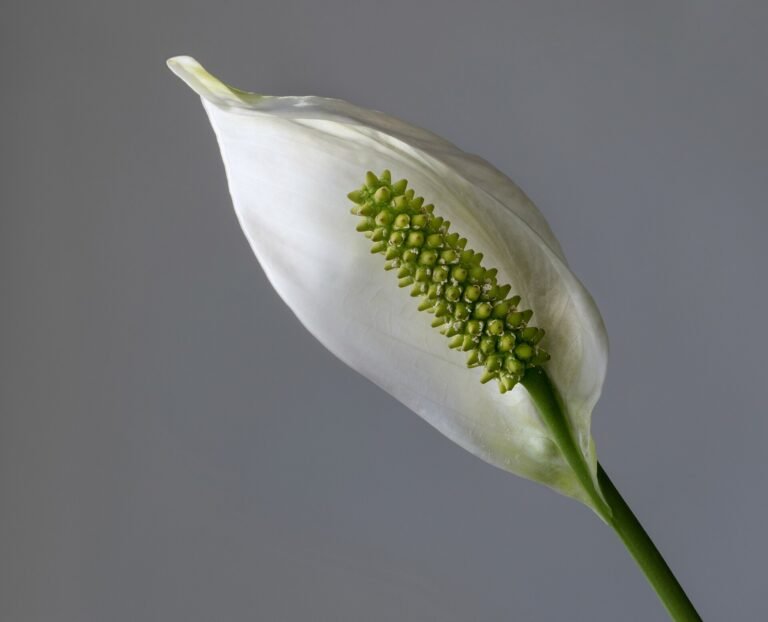
My plant flowered. Should I be excited? The blooms are a small greenish-white spathe, similar to a peace lily but less showy. Most growers snip them off, since flowering diverts energy away from the foliage you actually bought the plant for.
Quick-Start Gear Checklist
- 💧 Soil moisture meter
- 🪴 Indoor potting mix + perlite
- 🕳️ Nursery pot with drainage
- 🌿 Balanced liquid fertilizer
- 💡 LED grow light for dim corners
- ✂️ Pruning shears
- 🐛 Neem oil
Put an Aglaonema somewhere with soft, indirect light, let it dry out between drinks, and keep it warm — that’s genuinely the whole job. It’ll reward you with color most low-light plants can’t offer, and it’ll do it without asking for much of anything. Happy growing, from all of us at BloomBabe. 🌱