Disclosure: This post contains affiliate links. If you buy through them, BloomBabe may earn a small commission at no extra cost to you. As an Amazon Associate, I earn from qualifying purchases. We only recommend gear we’d use on our own plants.
Some plants fill a corner. A Bird of Paradise fills a room. Those huge paddle leaves fan out like something out of a resort lobby, and a happy one will push out a new leaf every few weeks all summer long — you can practically watch it grow.
Here’s the honest version, though: this is not a set-it-and-forget-it plant. It wants more light than almost anything else people keep indoors, and it will tell you (loudly, in brown edges and stubborn refusal to grow) when it isn’t getting enough. Give it what it wants and it’s one of the most rewarding houseplants you’ll ever own. Here’s how.
1. Meet the Bird of Paradise
There are two you’ll actually run into at the plant shop, and they are not interchangeable:
- White Bird of Paradise (Strelitzia nicolai) — the big one. Broad, banana-like leaves on tall stems, easily 6–8 feet indoors and taller with time. This is the one in every design magazine.
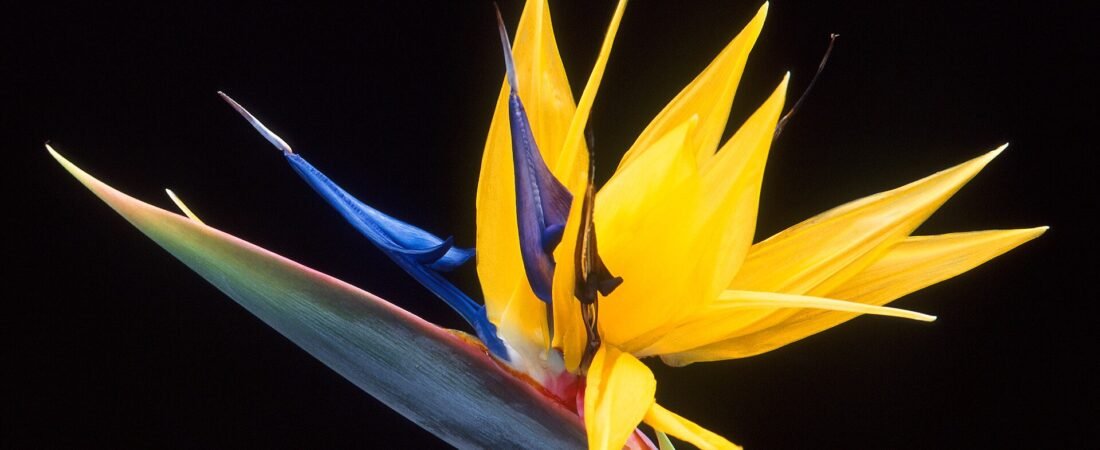
- Orange Bird of Paradise (Strelitzia reginae) — smaller and stiffer, with narrower leaves. This is the species that produces the famous orange-and-blue crane-shaped flower.
Worth saying plainly: indoor plants rarely bloom. Reginae usually needs several years of maturity plus near-outdoor light levels, and nicolai almost never flowers in a living room. Buy this plant for the leaves. If flowers happen someday, that’s a bonus.
One more quirk that surprises new owners: those dramatic splits along the leaf edges are normal and healthy. In the wild they let wind pass through instead of shredding the whole leaf. Your plant isn’t damaged — it’s built that way.
2. Light Requirements
This is the section that decides whether your Bird of Paradise thrives or just… exists.
- Ideal: the brightest spot you have. A few feet from an unobstructed south or west window is perfect.
- Good: a large east window with direct morning sun.
- Tolerates (barely): bright indirect light — the plant survives but grows slowly and stays small.
- Don’t: stick it in a dim corner because it “looks good there.” It will sulk for months, then start declining.
Unlike a lot of tropicals, a Bird of Paradise genuinely enjoys several hours of direct sun, especially once it’s acclimated. Move it into strong sun gradually over a couple of weeks so the leaves don’t scorch.
If your brightest window still isn’t much, this is one of the few plants where a serious full-spectrum LED grow light genuinely changes the outcome. Run it 10–12 hours a day, positioned above the plant rather than off to one side.
Rotate the pot a quarter turn every couple of weeks, too. These plants lean hard toward the light and will grow lopsided if you let them.
3. Watering Routine
Bird of Paradise likes to be evenly moist in the growing season and noticeably drier in winter. It’s thirstier than most houseplants — that big leaf surface loses a lot of water — but it still rots if it sits soggy.
- Spring and summer: water thoroughly when the top 2 inches of soil feel dry. In a bright spot that often means once a week.
- Fall and winter: let the top half of the pot dry out. Watering may drop to every 2–3 weeks.
- Always water deeply — until it runs out the drainage hole — then dump the saucer. No standing water.
These plants are big, and big pots are hard to read by finger alone. A soil moisture meter with a long probe takes the guesswork out of a 14-inch pot.
Bird of Paradise is also sensitive to the stuff in tap water. If you consistently get brown, crispy leaf tips even though your watering is on point, try filtered or distilled water, or leave tap water out overnight before using it.
4. Ideal Soil Mix
You want something rich enough to hold moisture but loose enough that water moves through fast.
A good starting point: quality indoor potting mix amended with about 20–30% perlite and a couple of handfuls of orchid bark for structure. The bark keeps the mix from compacting into a brick, which is a real problem in the large pots these plants need.
Drainage hole, non-negotiable. If you love a decorative cachepot, keep the plant in a plastic nursery pot with drainage and slip it inside. Easier to water, easier to move, and no mystery about where the water went.
5. Fertilizing
Bird of Paradise is a heavy feeder by houseplant standards — all that growth has to come from somewhere.
- Spring through early fall: feed every 2–4 weeks with a balanced liquid houseplant fertilizer at label strength (half strength if your plant is in a lower-light spot and growing slowly).
- Winter: stop completely. Growth pauses and unused fertilizer salts build up in the soil.
- Every few months, flush the pot: run water through it for a minute or two in a shower or outside. This washes out accumulated salts that cause leaf-tip burn.
If you’d rather not track a schedule, a slow-release granular fertilizer worked into the top inch of soil each spring does most of the job for you.
6. Temperature & Humidity
- Temperature: 65–85°F is the sweet spot. Below 55°F growth stalls, and frost will damage it outright.
- Drafts: keep it away from AC vents, heating registers, and doors that open to the cold. Sudden temperature swings show up as browning leaf margins.
- Humidity: 50% or higher is ideal. It will live at average household humidity, but dry winter air is the usual culprit behind crispy edges.
A small cool-mist humidifier nearby is far more effective than misting, which evaporates in minutes and does almost nothing measurable. If you like the ritual of misting, keep doing it — just don’t count on it to fix a humidity problem.
7. Repotting
Bird of Paradise likes to be slightly snug, and a cramped root system is actually part of what encourages reginae to bloom eventually.
- Repot every 2–3 years, or when roots are pushing out the drainage holes and the plant dries out within days of watering.
- Go up one pot size only (2 inches wider). An oversized pot holds water the roots can’t use.
- Best time: spring, at the start of the growth push.
- Handle the roots gently — they’re thick, fleshy, and break more easily than they look.
Because these plants get tall and top-heavy, a heavy ceramic or concrete planter is worth the money. A lightweight pot plus a 7-foot plant is a tipping accident waiting to happen. A rolling plant caddy underneath also saves your back when you want to chase the light or move it for cleaning.
8. Propagation
The reliable method is division, and it’s best done at repotting time in spring.
- Slide the whole plant out of its pot and brush the soil away from the base.
- Find a natural offset — a separate fan of leaves with its own roots attached.
- Cut it free with a clean, sharp pruning knife or shears, keeping as many roots on the division as you can.
- Pot the division in a snug container with fresh mix, water it in, and put it somewhere bright but out of harsh direct sun for a few weeks while it settles.
Expect the division to sit still for a month or two before it grows. That’s normal — it’s rebuilding roots first.
Stem cuttings don’t work on Strelitzia. Seeds do, but they’re slow and finicky: fresh seed, soaking, warmth, and often a year or more before anything looks like a plant. Division is the way.
9. Common Problems
- Brown, crispy leaf edges. The most common complaint. Usually low humidity, mineral buildup from tap water or fertilizer, or inconsistent watering. Flush the soil, switch to filtered water, raise humidity.
- Yellowing lower leaves. One or two old leaves yellowing off is natural. Several at once usually means overwatering — check that the pot drains and let it dry down further between waterings.
- No new growth. Almost always not enough light. Second suspect: it hasn’t been fed in a long time.
- Curling or drooping leaves. Underwatering, or roots damaged by rot. Feel the soil before you decide which — the symptoms look identical from across the room.
- Fine webbing and stippled, dusty-looking leaves. Spider mites, which love dry indoor air. Wipe every leaf top and bottom, shower the plant off, and treat with neem oil, repeating weekly for a few rounds.
- Dull, dusty leaves. Those big surfaces collect dust fast, and dust blocks light. Wipe them down monthly with a damp microfiber cloth.
Frequently Asked Questions
Is Bird of Paradise toxic to pets? Yes — mildly. The leaves and especially the seeds can cause vomiting, drooling, and stomach upset in cats and dogs. It’s not usually dangerous, but keep it out of reach of determined chewers.
Why won’t mine flower indoors? Most likely light and maturity. Strelitzia reginae typically needs 4–5 years of growth plus very intense light before it blooms, and S. nicolai rarely flowers indoors at all. A summer outside in a bright, sheltered spot is the best thing you can do for your odds.
Should I cut off the split leaves? No. Splitting is natural and the leaf still works fine. Only remove leaves that are fully brown and dead.
Can I put it outside for the summer? Yes, and it loves it. Move it out after nights stay above 55°F, acclimate to direct sun over 1–2 weeks, and bring it back in before the first cold snap. Check for hitchhiking pests before it comes indoors.
How fast does it grow? In good light, a new leaf every 4–6 weeks during spring and summer. In a dim spot, maybe two or three leaves the entire year.
Quick-Start Gear Checklist
- ☀️ Full-spectrum grow light if your window isn’t bright enough
- 💧 Long-probe moisture meter
- 🪴 Indoor potting mix + perlite + orchid bark
- 🏺 Heavy planter with drainage + a rolling caddy
- 🌿 Liquid fertilizer for the growing season
- 💨 Cool-mist humidifier for dry winters
- 🐛 Neem oil for spider mites
A Bird of Paradise asks for one big thing — light — and rewards you with the most dramatic foliage in the house. Put it in your sunniest corner, water it well and then let it breathe, feed it through the summer, and wipe the dust off those beautiful leaves now and then. Give it a year and you’ll wonder how the room ever looked without it. Happy growing, from all of us at BloomBabe. 🌱