Disclosure: This post contains affiliate links. If you buy through them, BloomBabe may earn a small commission at no extra cost to you. As an Amazon Associate, I earn from qualifying purchases. We only recommend gear we’d use on our own plants.
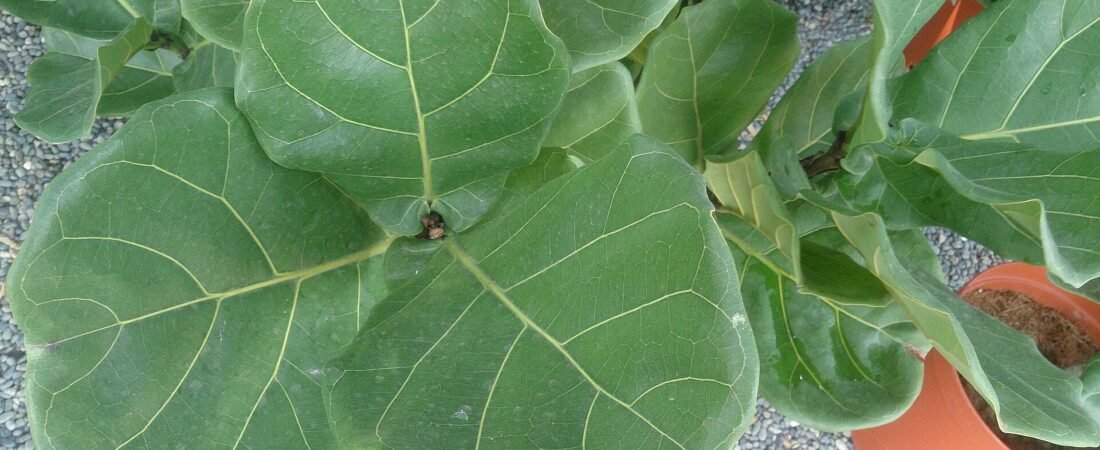
Few plants have graced as many living-room corners, design magazines, and Instagram grids as the Fiddle Leaf Fig. Those big, glossy, violin-shaped leaves are pure architectural drama — the plant equivalent of a statement coat. But the Fiddle Leaf also has a reputation: fussy, dramatic, prone to dropping leaves the moment you look at it wrong. Here’s the honest truth — it isn’t hard, it’s just particular. Once you understand what it wants (consistency, above all), it becomes one of the most rewarding plants you’ll ever grow. Let’s get your fiddle thriving.
Meet the Fiddle Leaf Fig
The Fiddle Leaf Fig (Ficus lyrata) is a tropical West African tree that, in the wild, grows into a towering 40-foot giant. Indoors, it stays a manageable — if ambitious — 6 to 10 feet, and its enormous leaves can reach a foot long. You’ll usually find it sold in two forms:
- Tree form — a single tall trunk topped with a lush canopy; the classic “corner statement piece.”
- Bush form — fuller and leafier from the base, with foliage all the way down.
There are also compact cultivars like ‘Bambino’ and ‘Suncoast’, which stay smaller and are a little more forgiving — a lovely place to start if a six-foot diva feels intimidating. Whatever form you choose, the golden rule is the same: this plant hates change. Find it a good spot, nail a routine, and then leave it be.
Light
If there’s one thing a Fiddle Leaf Fig is genuinely demanding about, it’s light. This is a tree that wants to bask.
- Best: lots of bright, indirect light — think a few feet from a large east-, west-, or south-facing window.
- Tolerates: a couple hours of gentle direct morning sun, which it actually enjoys once acclimated.
- Avoid: dim corners. Low light leads to leggy growth, dull leaves, and a slow, sad decline.
Rotate the pot a quarter-turn every week or two so every side gets its share and the plant grows evenly instead of leaning toward the glass. If your space is genuinely short on natural light — north-facing rooms, basement apartments, deep-winter gloom — a quality full-spectrum LED grow light makes an enormous difference and keeps those leaves big and glossy.
Water
Watering is where most fiddle relationships go wrong — in both directions. The plant wants consistency, not extremes.
- Water thoroughly when the top 1–2 inches of soil feel dry, letting water run all the way through the drainage hole.
- Empty the saucer afterward. Fiddle Leaf Figs will not tolerate sitting in standing water.
- Expect to water roughly once a week in spring and summer, and less in the darker months.
Overwatering shows up as dark brown spots spreading from the center or base of leaves, often with dropping. Underwatering looks like crispy brown edges and leaves that curl or go limp. Because those signals can look confusingly similar, a simple soil moisture meter is honestly the single best purchase you can make for this plant — it takes the guesswork (and the drama) out of the equation. Room-temperature water is gentlest; a long-spout watering can helps you reach the soil without splashing those big leaves.
Soil
Fiddle Leaf Figs want a rich but fast-draining mix that holds a little moisture without ever getting swampy. A good-quality indoor potting soil amended for drainage is perfect. Aim for roughly:
- 2 parts quality potting mix
- 1 part perlite or orchid bark for aeration
Many growers reach for a well-draining indoor tree or fig mix that’s already blended for the job. Whatever you use, the pot must have a drainage hole — no exceptions with this plant.
Fertilizer
That leafy growth is hungry work. During the growing season (spring through early fall), feed every 2–4 weeks with a diluted liquid houseplant fertilizer, or use a formula made specifically for fiddle leaf figs — these often lean higher in nitrogen to support big foliage. Ease off in late fall and stop entirely in winter, when growth naturally slows. More is not better here; over-fertilizing can scorch roots and leaf edges.
Temperature & Humidity
As a tropical native, the Fiddle Leaf likes it warm and stable: 60–75°F is the sweet spot. What it truly can’t stand is sudden temperature swings — so keep it well away from cold drafts, exterior doors, heating vents, radiators, and air-conditioning blasts. A vent blowing directly on your fiddle is a classic, avoidable cause of leaf drop.
It appreciates humidity around 40–60%. Most homes are drier than that, especially in winter. A small cool-mist humidifier nearby keeps the leaves supple and helps prevent crispy edges. Wipe the foliage with a damp cloth every few weeks too — clean leaves photosynthesize better and look showroom-glossy.
Repotting
Fiddle Leaf Figs like to be a touch snug, so repot only every 1–2 years, ideally in spring. Signs it’s time: roots poking out the drainage hole or circling the surface, water running straight through, or growth stalling. Move up just one pot size — too large a pot holds excess water and invites root rot. Choose a sturdy planter with drainage; big fiddles get top-heavy, so a heavier ceramic or a plant pot with a matching saucer adds welcome stability. In the years between repottings, simply top-dress with an inch of fresh soil each spring.
Propagation
Want a second fiddle for free? Propagation is very doable:
- Stem cuttings in water: Snip a healthy stem with 1–2 leaves just below a node. Pop it in a jar of clean water on a bright windowsill, refreshing the water weekly. Roots usually appear in a few weeks; pot it up once they’re a couple inches long.
- Air layering: For a bigger, faster head start, wrap a wounded section of stem in damp sphagnum moss and plastic wrap; roots form right on the stem before you cut and pot it.
A dab of rooting hormone on the cut end improves your odds either way. A tip: cuttings root fastest in warm, bright conditions, so late spring and summer are prime propagation season.
Common Problems
- Brown spots in the center of leaves: typically overwatering or root rot. Let the soil dry more between waterings and check for mushy roots.
- Crispy brown edges or margins: usually underwatering or dry air — increase humidity and water more consistently.
- Leaves dropping suddenly: almost always stress from change — a move, a draft, a big swing in light or watering. Stabilize conditions and be patient.
- Pale, leggy growth or leaning: not enough light. Move it brighter or add a grow light.
- Red or brown spots on new leaves (edema): minor and normal on fresh growth; it fades as the leaf matures.
- Pests (mealybugs, spider mites, scale): wipe them off and treat with neem oil, repeating weekly until they’re gone.
Frequently Asked Questions
Why does my Fiddle Leaf Fig keep dropping leaves? Nine times out of ten, it’s a reaction to change — a new home, a relocated spot, a cold draft, or inconsistent watering. Get its conditions steady and stop moving it; new leaves will follow once it settles.
Is the Fiddle Leaf Fig toxic to pets? Yes, mildly. The sap contains compounds that can irritate the mouth and stomach of cats and dogs if chewed, so keep it out of nibbling range.
How do I get my fiddle to branch instead of growing as one tall stalk? Once it reaches a height you like, you can pinch or prune the top growing tip. This encourages the plant to push out side branches for a fuller, tree-like canopy. Do it in spring for best results.
Why aren’t the new leaves as big as the old ones? Smaller new leaves usually mean the plant wants more light or more consistent feeding during the growing season. Brighten its spot and keep up a steady fertilizing routine.
Quick-Start Gear Checklist
- 💧 Soil moisture meter
- 🪴 Well-draining fig/indoor potting mix + perlite
- 🌿 Fiddle leaf fig fertilizer
- 💦 Cool-mist humidifier
- 🏺 Large planter with drainage
- 🌱 Full-spectrum grow light
- 🐛 Neem oil
Here’s the secret nobody tells you about the Fiddle Leaf Fig: it’s not actually a diva, it’s just loyal to routine. Give it bright light, water it consistently, keep it away from drafts, and resist the urge to fuss — and this plant will reward you with those big, glossy, magazine-worthy leaves for years. You’ve got this. Happy growing, from all of us at BloomBabe. 🌿