Disclosure: This post contains affiliate links. If you buy through them, BloomBabe may earn a small commission at no extra cost to you. As an Amazon Associate, I earn from qualifying purchases. We only recommend gear we’d use on our own plants.
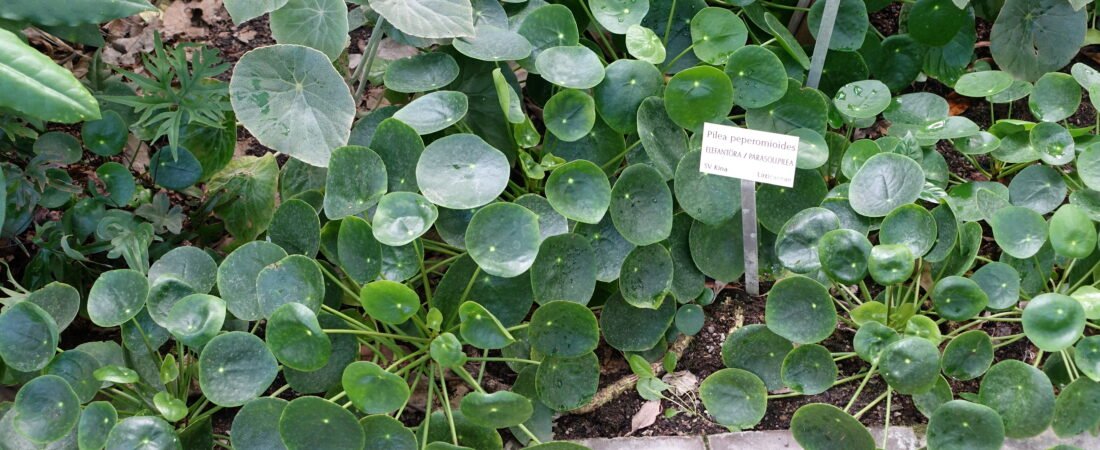
If there were a superlative for “most likely to make you smile every morning,” the Pilea peperomioides would win in a landslide. Those round, coin-like leaves bobbing on slender stalks look like a little forest of lily pads on your windowsill — which is exactly why it earned nicknames like Chinese Money Plant, UFO Plant, Pancake Plant, and Friendship Plant. That last one is our favorite, because a healthy Pilea pumps out so many baby plants you’ll be handing them to everyone you know.
Here’s the good news: Pileas are genuinely easy once you understand the two or three things they care about. Let’s get your coin plant thriving.
1. Meet the Pilea
The Pilea peperomioides is a soft-stemmed perennial originally from the foothills of the Himalayas in southwestern China. For decades it was passed hand-to-hand between plant lovers — almost impossible to buy, easy to share — which is how it picked up the “Friendship Plant” name. Today it’s everywhere, and for good reason.
What makes it special:
- Those leaves. Perfectly round, glossy, and held out on long petioles that attach to the center of the leaf (botanists call this “peltate”). It’s the reason each leaf looks like a little green coin or UFO.
- It’s a phototropism show-off. Pileas lean hard toward light, so you get to watch them move — and rotating the pot keeps them symmetrical.
- It’s a baby machine. A happy Pilea sends up “pups” from the soil and along the stem constantly, which makes it one of the most rewarding plants to propagate.
- It’s pet-friendly. Non-toxic to cats and dogs, so no panic if a curious nibble happens.
2. Light Requirements
Light is the single most important thing to get right with a Pilea.
- Best growth: bright, indirect light — think a few feet back from a bright east- or west-facing window, or right beside a north-facing one.
- Tolerates: medium light, though growth slows and leaves get smaller and spaced farther apart.
- Avoid: long stretches of harsh, direct afternoon sun, which scorches those thin leaves and can fade their color.
Because Pileas grow toward the light, rotate the pot a quarter turn every time you water. Skip it and you’ll end up with a plant permanently reaching sideways. If your space is genuinely dim — a north room in winter, an interior wall — a small LED grow light keeps the leaves big, flat, and evenly spaced.
3. Watering Routine
Pileas like a rhythm: a good drink, then a chance to dry out. They are not fans of staying soggy.
- Let the top inch or two of soil dry out between waterings, then water thoroughly until it runs from the drainage hole.
- In a bright spot this usually means once a week in spring and summer, stretching to every 10–14 days in winter.
- Read the leaves: drooping, softening leaves often mean thirsty. Yellowing lower leaves that drop, plus mushy stems, point to overwatering.
Those signals can look confusingly similar at first, so if you’re second-guessing yourself, a cheap soil moisture meter takes the drama out of it. When in doubt, wait a day — Pileas bounce back from slightly dry far more easily than from waterlogged.
4. Ideal Soil Mix
Drainage, drainage, drainage. Pilea roots want moisture and air.
Start with a quality indoor potting mix and lighten it with a generous handful of perlite — roughly three parts soil to one part perlite. That keeps the mix fluffy so water drains freely instead of pooling around the roots.
Always, always use a pot with a drainage hole. A terracotta pot is a great match because it breathes and wicks away extra moisture — a little insurance against overwatering. If you love a decorative cachepot with no hole, keep the plant in a plastic nursery pot inside it and lift it out to water.
5. Fertilizing
Pileas are modest feeders, but because they grow so fast in season they appreciate a little help.
Feed with a diluted balanced houseplant fertilizer about once a month during spring and summer. Always apply to already-damp soil to protect the roots, and dial it back to half strength if you’re unsure. Stop feeding entirely in fall and winter when growth naturally slows — pushing fertilizer on a resting plant just leads to weak, leggy growth and salt buildup.
6. Temperature & Humidity
Good news: Pileas are comfortable in the same conditions you are.
- Temperature: 60–75°F is the sweet spot. Keep them above 55°F and away from cold drafts, heating vents, and frosty windowpanes.
- Humidity: average household humidity is fine. They don’t demand a rainforest, but they won’t complain about a little extra moisture in bone-dry winter air.
If your home runs very dry and you notice crispy edges, a small room humidifier nudges things back to comfortable — for you and the plant.
7. Repotting
Pileas grow quickly and fill a pot with roots (and pups) faster than you’d expect. Plan to repot about once a year, or when you see roots creeping from the drainage hole and a crowd of babies jostling for space.
- Move up just one pot size (an inch or two wider). Too big a jump means too much wet soil and a rot risk.
- Spring is the ideal time, right as growth picks up.
- Repotting is the perfect moment to gently separate those pups — more on that next.
A fresh nursery pot with drainage and clean pruning shears make the job quick and tidy.
8. Propagation
This is where the “Friendship Plant” earns its name — propagating Pileas is almost comically easy.
Your Pilea produces two kinds of babies:
- Soil pups. Little plantlets that pop up from the roots around the mother, right out of the soil. Once a pup is 2–3 inches tall, follow its stem down into the soil, and use a clean knife or pruning shears to slice it off with a bit of its own root attached. Pot it up in its own small container and keep the soil lightly moist.
- Stem pups. Babies that sprout along the main trunk. Cut these off cleanly and root them in water — a jar on the windowsill works perfectly — then move to soil once you see an inch of roots. A dab of rooting hormone speeds soil pups along if you want faster establishment.
Within a few weeks you’ll have gift-ready plants. This is genuinely the most fun part of Pilea ownership.
9. Common Problems
- Curling or cupping leaves: often a light or temperature quirk. Slight cupping is normal, but dramatic curling can mean too much direct sun, cold stress, or inconsistent watering.
- Yellow lower leaves dropping: usually overwatering. Check that the soil isn’t staying soggy and that the pot drains freely.
- White crusty spots on leaves: don’t panic — Pileas naturally “sweat” out excess minerals (guttation), leaving harmless white specks you can wipe off.
- Leggy, sparse growth with a long bare stem: not enough light. Move it brighter and rotate regularly; you can also behead a very leggy plant and re-root the top.
- Pests: fungus gnats love overwatered soil (let it dry more), and the occasional mealybug or spider mite can be wiped off and treated with neem oil.
Frequently Asked Questions
Is Pilea toxic to pets? No — the Chinese Money Plant is considered non-toxic to cats and dogs, which is a big part of why it’s so beloved.
Why is my Pilea leaning to one side? It’s growing toward the light, which is completely normal. Rotate the pot a quarter turn each time you water and it will grow upright and balanced.
Where do the “money” and “UFO” nicknames come from? The round, coin-shaped leaves inspired “Chinese Money Plant,” while their flat, saucer-on-a-stalk look earned “UFO Plant” and “Pancake Plant.” Same charming leaf, lots of fans.
How do I get a fuller, bushier plant? Give it plenty of bright indirect light, rotate it, and don’t remove the soil pups — leave them in the pot and they’ll fill in around the mother for a lush, layered look.
Quick-Start Gear Checklist
- 💧 Soil moisture meter
- 🪴 Indoor potting mix + perlite
- 🏺 Terracotta pot with drainage
- 🌿 Balanced houseplant fertilizer
- ✂️ Pruning shears for taking pups
- 🐛 Neem oil
Give a Pilea bright indirect light, a well-draining pot, and a drink whenever the top inch of soil dries out, and it will reward you with those cheerful coin leaves — and a steady supply of babies to share. It’s a plant practically designed for passing along, so grow one, love it, and spread the friendship. Happy growing, from all of us at BloomBabe. 🌱