Disclosure: This post contains affiliate links. If you buy through them, BloomBabe may earn a small commission at no extra cost to you. As an Amazon Associate, I earn from qualifying purchases. We only recommend gear we’d use on our own plants.
If your last houseplant quietly gave up in a dim corner while you were busy living your life, we have good news: the ZZ Plant was practically built for you. Those waxy, deep-green leaves look almost too perfect to be real — and the plant behind them is one of the toughest, most forgiving houseplants you can own. It shrugs off low light, laughs at missed waterings, and still manages to look like it belongs in a design magazine.
We hand ZZ Plants to beginners, chronic over-travelers, and anyone who insists they have a “black thumb.” Spoiler: you don’t. You just needed the right plant. Here’s everything you need to keep a ZZ Plant glossy and happy for years — plus the one habit that’s secretly the only thing that can hurt it.
Meet the ZZ Plant
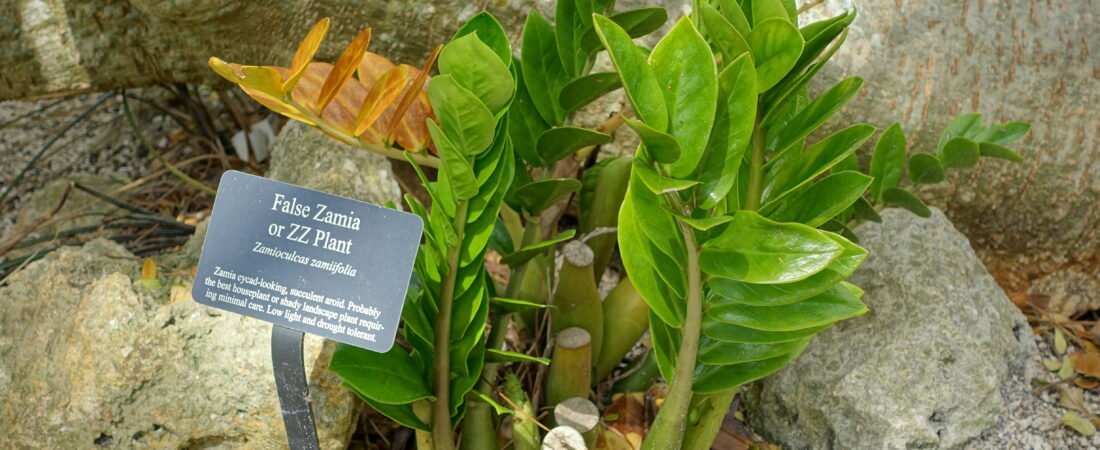
The ZZ Plant (Zamioculcas zamiifolia — say that three times fast, which is exactly why everyone just calls it “ZZ”) is native to the dry grasslands and forests of Eastern Africa. That heritage is the whole secret to its toughness. Underground, it grows fat, potato-like rhizomes that store water and nutrients, so the plant can coast through weeks of drought without blinking.
Above the soil, it sends up smooth, arching stems lined with paired, glossy leaflets. The overall effect is sculptural and a little architectural — it reads as “expensive plant shop” even when it’s the easiest thing in your home to care for.
A few popular varieties you’ll run into:
- Classic ZZ — the familiar bright, glossy green.
- Raven ZZ — new growth emerges lime-green and matures to a dramatic, near-black purple. Stunning and increasingly easy to find.
- Zenzi — a compact, curly dwarf form perfect for small shelves and desks.
- Variegated ZZ — splashed with cream and yellow; gorgeous, rarer, and a little slower-growing.
One honest heads-up: ZZ Plants are mildly toxic if chewed, so we’ll cover pet safety in the FAQ below.
Light
Here’s where the ZZ Plant earns its reputation. It’s genuinely happy across a huge range of light conditions.
- Best growth: bright, indirect light. This is where you’ll see the fastest new stems and the richest color.
- Tolerates: medium and even genuinely low light — think a north-facing room or an interior office with no window at all. Growth just slows down.
- Avoid: long stretches of harsh, direct afternoon sun, which can scorch and bleach those glossy leaves.
If you love the idea of a ZZ in a windowless bathroom or a dim entryway, go for it — just know it’ll grow more slowly there. Want to keep a Raven ZZ’s color deep and its growth steady in a dark spot? A modest LED grow light makes a real difference and sips electricity.
Water
If you remember one thing from this entire guide, make it this: the ZZ Plant would rather be too dry than too wet. Those water-storing rhizomes mean underwatering is almost never the problem — but overwatering is the single most common way people accidentally kill one.
- Let the soil dry out completely between waterings — we mean bone dry, all the way down.
- In practice that’s roughly every 2–3 weeks, and even less in winter.
- When you do water, soak it thoroughly until it drains from the bottom, then empty the saucer.
How do you know it’s actually thirsty? The stems will start to feel slightly soft or you’ll notice a faint wrinkling. Yellowing lower leaves and mushy stems, on the other hand, almost always mean too much water. When you’re not sure, wait — a cheap soil moisture meter takes the anxiety out of it completely and reads the moisture down at root level where it counts.
Soil
Drainage is your best friend here. ZZ Plants want a loose, airy mix that lets water rush through rather than sit around the rhizomes.
A quality well-draining potting mix works beautifully on its own, but we like to stir in a generous handful of perlite for extra aeration. If your home runs humid or you’re a self-described over-waterer, lean even grittier with some cactus and succulent soil mix blended in.
Whatever mix you choose, always plant in a pot with a drainage hole. A terracotta pot is a lovely choice because the porous clay wicks away excess moisture and makes overwatering that much harder to pull off.
Fertilizer
ZZ Plants are famously light feeders — they simply don’t need much. During the active growing season (spring and summer), feed with a diluted balanced houseplant fertilizer about once a month, or even just a couple of times all season. Always dilute to half-strength; too much fertilizer does more harm than too little.
Skip feeding entirely in fall and winter, when growth naturally slows to a crawl.
Temperature & Humidity
This is another area where the ZZ makes life easy. Normal, comfortable room conditions are perfect:
- Temperature: happiest between 65–85°F. Keep it above 45°F and away from cold drafts, single-pane winter windows, and blasting AC vents.
- Humidity: completely unfussy. Average household humidity is fine, though it won’t say no to a slightly more humid spot. If your air runs desert-dry in winter, a small room humidifier gives it (and you) a nice boost — but it’s a bonus, not a requirement.
Repotting
Good news for the low-maintenance crowd: ZZ Plants don’t need frequent repotting. In fact, they’re perfectly content being a little snug.
Plan to repot every 2–3 years, or when you notice the rhizomes starting to crowd the surface or even bulge against the sides of the pot (plastic pots have been known to warp — that’s your cue). Move up just one pot size, refresh the soil, and settle it back in. A clean pair of pruning shears is handy for trimming off any soft or damaged rhizome bits while you’re in there.
Propagation
Want more ZZ Plants for free? You’ve got two reliable routes — just know that ZZ is a slow-and-steady propagator, so patience is the real ingredient.
- Division (fastest): At repotting time, gently pull the plant apart into clumps, making sure each piece has healthy rhizomes and stems attached. Pot them up separately and you’ve instantly got new plants.
- Leaf cuttings (slowest, but fun): Snip a healthy leaflet with a bit of stem, let it callus for a day, then set it in moist soil or water. Over several months, it will form a tiny rhizome and eventually a new shoot. A dab of rooting hormone can nudge things along.
Don’t be discouraged by the wait — watching a single leaf slowly build its own little rhizome is genuinely one of the small joys of plant parenthood.
Common Problems
- Yellowing leaves + mushy stems: the classic overwatering signal. Let the soil dry fully, and if it’s gone soft at the base, unpot it, trim any rotten rhizomes, and repot in fresh gritty mix.
- Brown, crispy leaf tips: usually inconsistent watering or, occasionally, sensitivity to fluoride/chemicals in tap water. Try letting water sit out overnight before using it.
- Leggy, stretched-out stems: too little light. Move it somewhere brighter or add a grow light.
- Dull, dusty leaves: those glossy leaves are dust magnets. Wipe them gently with a damp cloth to keep them shiny and photosynthesizing well.
- Pests: rare, thanks to those tough leaves, but keep an eye out for the occasional mealybug or scale. Wipe them off and treat with neem oil.
Frequently Asked Questions
Is the ZZ Plant toxic to pets? Yes — mildly. All parts contain calcium oxalate crystals, which can cause mouth irritation, drooling, or an upset stomach if a curious cat or dog chews on it. It’s not the dangerous, deadly plant some old myths claim, but it’s best kept out of reach of pets and kids.
Why is my ZZ growing so slowly? Probably nothing’s wrong — ZZ Plants are naturally slow growers, especially in lower light. More light (and the growing season) will speed things up.
Can a ZZ Plant really survive in a room with no windows? It can tolerate very low light better than almost any other houseplant, but “no light at all” is a stretch. If the room gets some artificial light during the day it’ll hang on; for real growth, add a small grow light.
How often should I water in winter? Even less than usual — sometimes as little as once a month. Cold temperatures and short days mean the soil dries slowly, so always check that it’s completely dry first.
Quick-Start Gear Checklist
- 💧 Soil moisture meter
- 🪴 Well-draining potting mix + perlite
- 🏺 Terracotta pot with drainage
- 🌿 Balanced houseplant fertilizer
- ✂️ Pruning shears
- 🐛 Neem oil
Give a ZZ Plant a reasonable spot, water it far less than your instincts tell you to, and then mostly leave it alone — that’s honestly the whole game. It will reward your restraint with years of glossy, sculptural, nearly effortless greenery, often outlasting every fussier plant on the shelf. If you’re rebuilding your plant confidence, this is the one to start with. Happy growing, from all of us at BloomBabe. 🌱